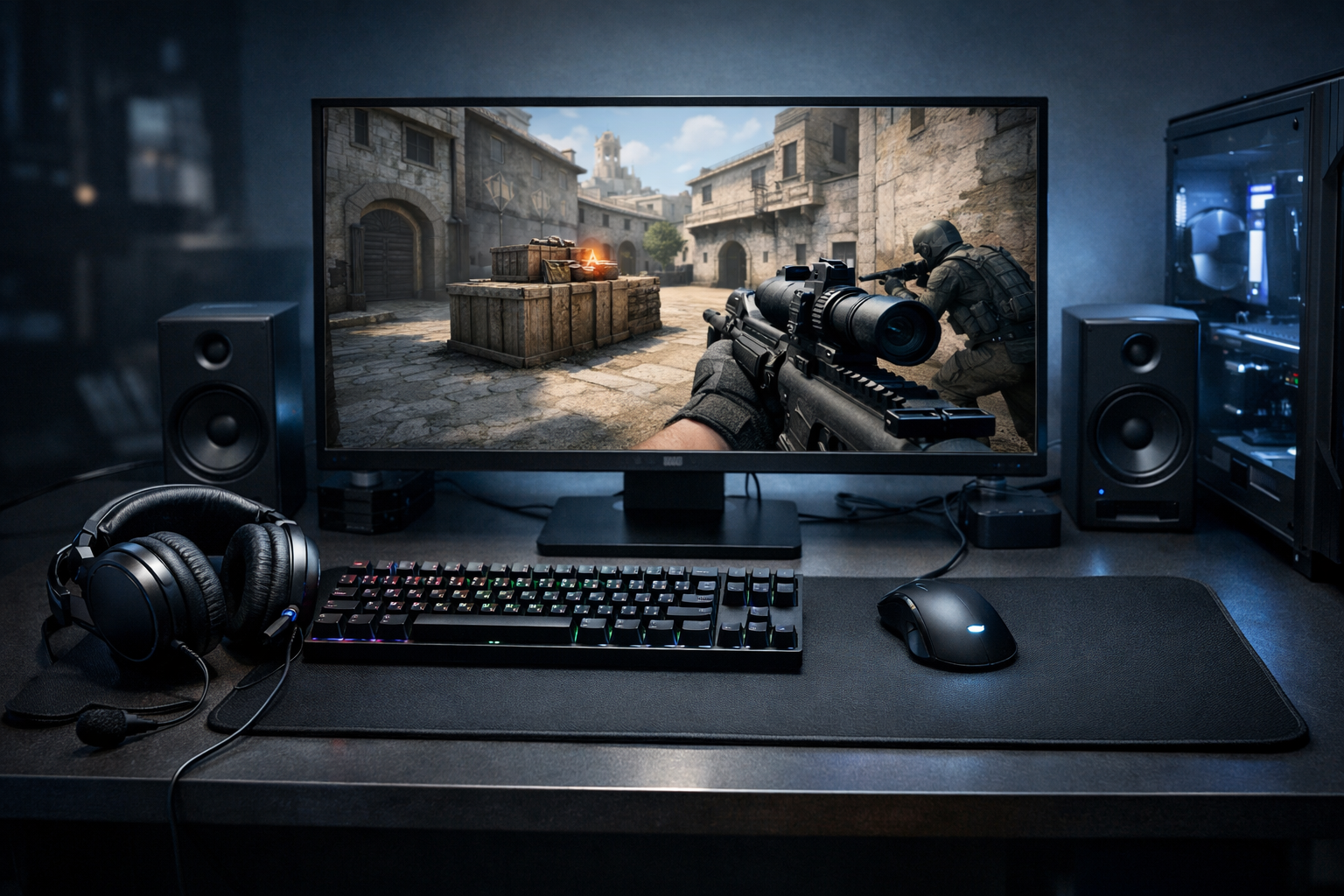
Frozen cs2 settings and config profile
frozen CS2 settings are popular because they reflect a clean, practical approach to high-level Counter-Strike. frozen CS2 settings can help players understand how a disciplined rifler builds consistency, but the real value is learning which parts suit your own aim, movement, and comfort.
TL;DR
- frozen CS2 settings are best used as a balanced rifler reference, not a config to copy without testing.
- The most transferable parts are usually crosshair style, visual clarity, and a sensible sensitivity range.
- Compare frozen with similar rifler profiles, then change one setting category at a time.
When players search for frozen CS2 settings, they usually want more than a raw config. They want context around why this profile matters and which parts are actually useful in matches. That matters because copying a setup without understanding the role behind it often leads to awkward aim and poor comfort.
frozen is commonly discussed as a player whose setup choices fit a controlled, efficient style. If you want the direct reference point first, the frozen settings page is the fastest way to see the current profile. From there, the better question is how those values translate into your own CS2 routine.
Who frozen is in the CS2 settings conversation
In settings discussions, frozen stands out because players often associate his profile with stability rather than flashy experimentation. That makes frozen CS2 settings relevant to riflers and all-around players who want dependable input, clear visuals, and a setup that supports repeatable mechanics.
This is also why profile pages matter. A pro setup is not a magic answer, but it can show the range that many strong players prefer. In many cases, that helps you avoid extreme sensitivity, cluttered crosshairs, or audio choices that make tracking harder.
Another reason frozen CS2 settings get attention is role fit. A measured rifler usually benefits from settings that support first-bullet control, clean spray transitions, and stable crosshair placement. Those needs are different from what some aggressive entry players or AWP-focused players may prefer.
What frozen CS2 settings are known for
The main appeal of frozen CS2 settings is balance. Players looking at this profile are often trying to find a middle ground between speed and precision. In CS2, that usually means a setup that can support quick target acquisition without making micro-adjustments feel shaky.
Sensitivity is the first area most readers care about. A pro profile can show what a competitive baseline looks like, but your desk space, mouse grip, and arm usage still decide whether that number feels natural. If you compare profiles, you will often notice that strong riflers stay within practical ranges instead of chasing extremes.
Crosshair choices are another big part of the appeal. Many players use a pro profile as a starting point, then make small edits for visibility. If you want to test shape, gap, or thickness without changing everything else, the crosshair generator makes that process much easier.
Audio and gear also shape how a settings profile feels in real matches. Headset choice does not create game sense, but it can affect comfort and how clearly you separate footsteps, reloads, and utility cues. A common reference point for players comparing sound-focused gear is the HyperX Cloud II, especially if you want a familiar benchmark.
How to read frozen’s config without copying it blindly
The smartest way to use frozen CS2 settings is to treat them as a model, not a command. Start by identifying which part of your current setup feels wrong. If your aim feels too twitchy, sensitivity is the likely issue. If targets disappear during sprays, crosshair visibility may be the problem instead.
A useful method is to change one category at a time:
- keep sensitivity for three to five sessions before judging it
- adjust crosshair visibility in small steps
- test audio changes on the same maps and positions
- avoid changing mouse, res, and crosshair together
This matters because settings interact with habits. A lower sensitivity can improve control, but only if your mousepad space and arm movement support it. A thinner crosshair can look cleaner, but it may become harder to track on bright surfaces or during fast spray transfers.
It also helps to compare frozen CS2 settings with another rifler profile instead of with a completely different role. For example, the jks settings profile can be a more useful comparison point than a setup built around very different pacing or responsibilities. Similar roles often reveal more practical differences.
What usually transfers well
Some parts of a pro profile are easier to borrow than others. Crosshair style, basic video clarity preferences, and a sensible sensitivity range often transfer well. These are broad comfort and visibility choices, so they can work for many players with only minor edits.
What usually needs personal adjustment
Resolution feel, exact sensitivity, and audio balance often need more personal testing. Even when two players use the same mouse and role, their posture, grip, and monitor distance can change how a setup feels. That is why frozen CS2 settings should be a starting point, not a final answer.
Context: how frozen’s profile compares with other elite setups
Looking at one profile in isolation can be misleading. The better approach is to place frozen CS2 settings inside the wider pro landscape. Most top players aim for clarity, consistency, and low-friction inputs, but they still arrive there through slightly different combinations.
For example, some players prefer a more assertive feel that supports faster flicks and snappier turns. Others lean toward steadier control for rifle duels and anchor positions. If you want another high-level reference from a different style, the NiKo settings page can help you compare how elite riflers solve similar problems in different ways.
That comparison teaches an important lesson: there is no single best config. What many strong players share is not one exact number, but a preference for setups that reduce noise and support repeatable mechanics. frozen CS2 settings fit that pattern, which is why they remain useful as a benchmark.
In practical terms, this means you should look for overlap between profiles rather than perfect matches. If several top riflers use clean crosshairs, moderate sensitivity ranges, and uncluttered visuals, that trend is more valuable than any one copied config line.
What to do next with frozen CS2 settings
If frozen CS2 settings caught your attention, the best next step is simple. Use the profile as a reference, copy only one or two elements, and test them in real match conditions. Deathmatch can help with first impressions, but full games reveal whether the setup holds up under pressure.
A practical order is sensitivity first, crosshair second, and audio or gear third. That sequence works because aim input usually has the biggest effect on your confidence in duels. Once that feels stable, visual clarity and sound cues become easier to judge.
If you want a clean workflow, open the player profile, compare it with one other rifler, then build a small test plan. That gives you a clear path instead of random tweaking. frozen CS2 settings are most useful when they help you narrow choices and build a setup you can trust for weeks, not just one session.
FAQ
Are frozen CS2 settings good for beginners?
They can be a solid reference because the profile is commonly viewed as balanced and practical. Beginners should still avoid copying every value at once. Start with sensitivity or crosshair changes first, then test them over several sessions before deciding what actually improves comfort and consistency.
Should I copy frozen's full config exactly?
Usually no. A full copy can feel wrong if your mouse grip, desk space, monitor distance, or role are different. It is often better to use frozen’s setup as a baseline, then adjust one category at a time so you can tell which change helps and which one hurts.
Which part of frozen's setup matters most?
For most players, sensitivity and crosshair have the biggest direct effect. Those settings shape how stable your aim feels and how clearly you track targets. Audio and gear matter too, but they usually make more sense to fine-tune after your core mouse control already feels reliable.